
Pregnancy is a journey that brings excitement, anticipation, and questions about the right nutrition to support both mother and baby. One food that often sparks curiosity among expectant mothers is dates. When to start eating dates in pregnancy is a common question, as dates are rich in essential nutrients and are believed to aid labor.
In this article, we’ll explore should you eat dates in pregnancy, the benefits of dates, the best timing for consumption, and address common concerns such as side effects. We’ll also discuss does eating dates help labour outcomes, and answer questions about dates during pregnancy, including can I eat dates at 32 weeks pregnant.
Nutritional Benefits of Dates During Pregnancy
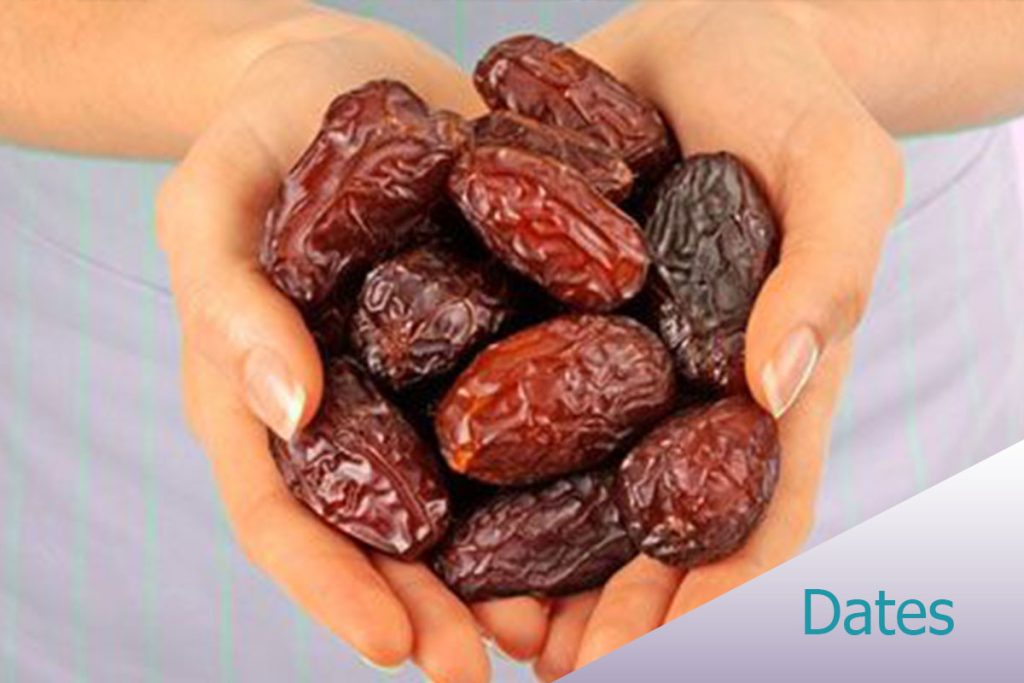
Dates are packed with nutrients that are beneficial for both the mother and the developing baby. Some of the key nutrients in dates include:
-
Natural sugars (glucose, fructose, sucrose): Provide instant energy.
-
Fiber: Aids digestion and prevents constipation, a common issue in pregnancy.
-
Vitamins (B-complex, Vitamin K, Vitamin A): Support overall health and fetal development.
-
Minerals (potassium, magnesium, iron, calcium): Help maintain blood pressure, strengthen bones, and prevent anemia.
Eating dates can improve stamina, which is particularly helpful in the final weeks of pregnancy when energy levels may drop.
Should You Eat Dates in Pregnancy?
Yes, consuming dates during pregnancy is generally safe for most women, but moderation is key. Should you eat dates in pregnancy depends on your health status and any pre-existing conditions like gestational diabetes, as dates are naturally sweet and calorie-dense.
Studies suggest that eating dates in the last few weeks of pregnancy can have positive effects on labor outcomes. However, it is always best to consult your gynecologist before including them in your diet, especially if you have any complications.
When to Start Eating Dates in Pregnancy
Timing is important when it comes to maximizing the benefits of dates. Here’s a trimester-wise guide:
1. First Trimester
When to start eating dates in pregnancy first trimester depends on your tolerance and digestion. Dates can be introduced in small quantities (1–2 pieces per day) to boost energy and prevent constipation.
Side Effects of Dates in Pregnancy First Trimester
While dates are generally safe, excessive consumption in the first trimester may cause:
-
Nausea or bloating
-
Increased blood sugar levels (especially for diabetic mothers)
-
Mild gastrointestinal discomfort
Always start with small portions and observe how your body responds.
2. Second Trimester
When to start eating dates in pregnancy second trimester, many women find them helpful in maintaining energy levels and supporting fetal growth. Dates are rich in iron, which can help prevent anemia during the mid-pregnancy stage.
A moderate intake of 3–4 dates per day can provide essential nutrients without causing weight gain.
3. Third Trimester
Dates in pregnancy 3rd trimester are especially useful as studies suggest they may improve labor outcomes. Consuming dates in the last 4 weeks of pregnancy may help soften the cervix and prepare the body for labor.
When to start eating dates in pregnancy for labor, experts often recommend beginning at 36 weeks. Eating 6 dates per day for the final few weeks has been shown in research to potentially:
-
Shorten labor duration
-
Reduce the need for medical interventions
-
Increase cervical dilation naturally
If you’re wondering can I eat dates at 32 weeks pregnant, yes, you can, but the maximum labor-related benefits are generally seen when consumption starts closer to 36 weeks.
How Dates May Affect Labor
Many studies indicate that consuming dates during the late stages of pregnancy can influence labor positively. Here’s how:
-
Improves cervical ripening: Dates contain compounds that may help soften and dilate the cervix naturally.
-
Boosts energy during labor: The natural sugars in dates provide instant energy needed during contractions.
-
Potentially shortens labor duration: Regular consumption in the last few weeks has been linked with reduced early labor duration.
Does eating dates help labour outcomes? Research suggests yes, especially in terms of spontaneous labor onset and reduced need for induction.
How fast can dates induce labor? While dates do not act like a medication, consistent consumption in the last weeks of pregnancy may support a smoother and shorter labor process. Effects can vary depending on individual body conditions and overall pregnancy health.
How to Include Dates in Your Pregnancy Diet
Dates are versatile and can be consumed in multiple ways:
-
Eat raw dates as a snack.
-
Blend dates into smoothies with milk or yogurt.
-
Add chopped dates to oatmeal or porridge.
-
Incorporate dates into energy bars for a nutritious, on-the-go snack.
Moderation is key — 4–6 dates per day in the final weeks are usually sufficient to gain labor-related benefits without overloading on sugar.
Also read: Can Twins Cause a False Negative Pregnancy Test?
Precautions While Eating Dates During Pregnancy
While dates are natural and nutritious, pregnant women should be aware of the following precautions:
-
Watch blood sugar levels: If you have gestational diabetes, consult your doctor before consuming dates regularly.
-
Avoid excessive consumption: Overeating dates can lead to weight gain and digestive issues.
-
Choose fresh and clean dates: Ensure dates are properly washed and free from preservatives or mold.
-
Allergies: Rarely, some may develop mild allergies — watch for rashes or stomach discomfort.
Frequently Asked Questions (FAQ) on When to start eating dates in pregnancy
Q1: Should you eat dates in pregnancy?
Yes, dates can be a healthy snack in moderation. They provide energy, fiber, and essential nutrients, especially during the third trimester.
Q2: Does eating dates help labour outcomes?
Studies suggest that consuming dates in the last weeks of pregnancy may shorten labor, improve cervical ripening, and reduce the need for medical induction.
Q3: Can I eat dates at 32 weeks pregnant?
Yes, you can, but for maximum labor-related benefits, it’s best to start around 36 weeks.
Q4: When to start eating dates in pregnancy for labor?
Experts recommend starting in the 36th week, 4–6 dates per day until delivery.
Q5: What are the side effects of dates in pregnancy first trimester?
Overconsumption can cause nausea, bloating, and increased blood sugar levels. Stick to 1–2 dates per day in the first trimester.
Q6: How fast can dates induce labor?
Dates do not immediately induce labor but may support a shorter and smoother labor process if consumed consistently during the last few weeks.
Q7: Are dates safe in all trimesters?
Yes, but the quantity should vary: small amounts in the first trimester, moderate in the second, and slightly higher in the last month for labor benefits.
Final Thought on When to start eating dates in pregnancy
Dates during pregnancy are a nutritious, natural option for boosting energy, supporting fetal development, and potentially easing labor. Knowing when to start eating dates in pregnancy and following safe consumption guidelines ensures both mother and baby benefit.
Start with small portions in the first trimester, increase in the second trimester, and consume 4–6 dates daily in the third trimester to support labor. Always consult your healthcare provider before making dietary changes, especially if you have medical conditions like gestational diabetes.
Eating dates wisely can make your pregnancy healthier and may even support a smoother labor process — a natural, delicious, and traditional option worth considering.