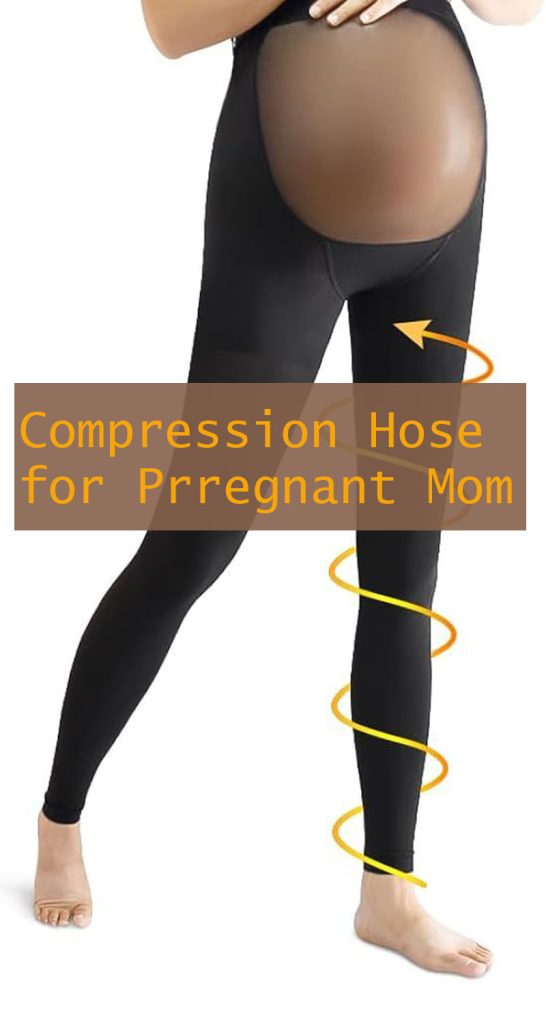
Pregnancy is an incredible journey — but it can also bring uncomfortable physical changes. Swelling, leg pain, and varicose veins are common issues that many expecting mothers face, especially as the pregnancy progresses. One tool that’s increasingly recommended by healthcare providers and experienced moms alike is compression hose (or compression socks). This blog post explores why compression hose are useful during pregnancy, how they work, how to choose the right pair, safety tips, and more — all in an easy‑to‑understand way that helps you make an informed choice.
📌 What Are Compression Hose?
Compression hose — also known as compression stockings or compression socks — are specially designed garments that apply gentle pressure to your legs, ankles, or feet. The pressure is not uniform; instead, it’s strongest around the ankle and gradually decreases up the leg. This design is called graduated compression, and its goal is to improve blood flow back toward the heart.
In pregnancy, these garments help counteract the effects of increased blood volume and pressure from the growing uterus, which can interfere with circulation, especially in the lower limbs.
🤰 Why Wear Compression Hose During Pregnancy?
Pregnancy involves significant changes to your circulatory system. Your body produces up to 50% more blood and body fluid to support the developing baby, and this extra fluid can collect in the legs, feet, and ankles. In addition, the growing uterus can put pressure on pelvic veins, slowing circulation and leading to discomfort.
Here’s how compression hose can help:
1. Reduce Swelling (Edema)
Swelling in the feet, ankles, and legs is very common in the second and third trimester. Graduated compression hose apply gentle pressure on the legs, helping excess fluid drain and reducing swelling and discomfort.
2. Improve Blood Circulation
By enhancing blood flow from your lower limbs back to the heart, compression hose reduce blood pooling in the veins. This not only eases discomfort but can help lower the risk of circulatory issues like deep vein thrombosis (DVT), especially if you’re standing or sitting for long periods.
3. Help Prevent Varicose Veins
Varicose veins — enlarged, twisted, or visible veins — are common during pregnancy due to increased blood volume and relaxed vein walls. Compression hose support your blood vessels and can help slow or reduce the severity of varicose veins.
4. Reduce Leg Aches and Pain
Pregnancy often causes leg cramps, heaviness, and aching, especially after standing or walking all day. Improved circulation can ease these symptoms.
🧠 How Do Compression Hose Work?
Compression hose work by applying gentle, graduated pressure — tightest at the ankle and gradually decreasing upward. This pressure helps:
-
Support vein valves in your legs
-
Prevent blood from pooling
-
Improve circulation
-
Encourage efficient blood return to the heart
This mechanism reduces swelling, discomfort, and the risk of circulatory problems such as DVT.
📊 Compression Levels — What Do They Mean?
Compression hose come in different pressure levels, measured in millimeters of mercury (mmHg). Each level suits different needs:
| Compression Level | Best For |
|---|---|
| 8–15 mmHg | Light support, mild swelling |
| 15–20 mmHg | Everyday use, moderate swelling relief |
| 20–30 mmHg | Stronger support, varicose vein prevention (under doctor’s advice) |
| 30+ mmHg | Medical‑grade compression (usually by prescription) |
For most pregnant women seeking relief from swelling and discomfort, 15–20 mmHg is a common and comfortable starting point. For more significant symptoms, a healthcare provider may recommend a stronger level.
👟 Types and Styles of Compression Hose
Pregnancy compression hose come in various forms. The right choice depends on your comfort and symptoms:
🦶 Knee‑High Socks
Ideal for leg and ankle swelling; easy to wear and suitable for daily use.
🦵 Thigh‑High Stockings
Cover up to the thigh and provide more extensive support for upper leg circulation.
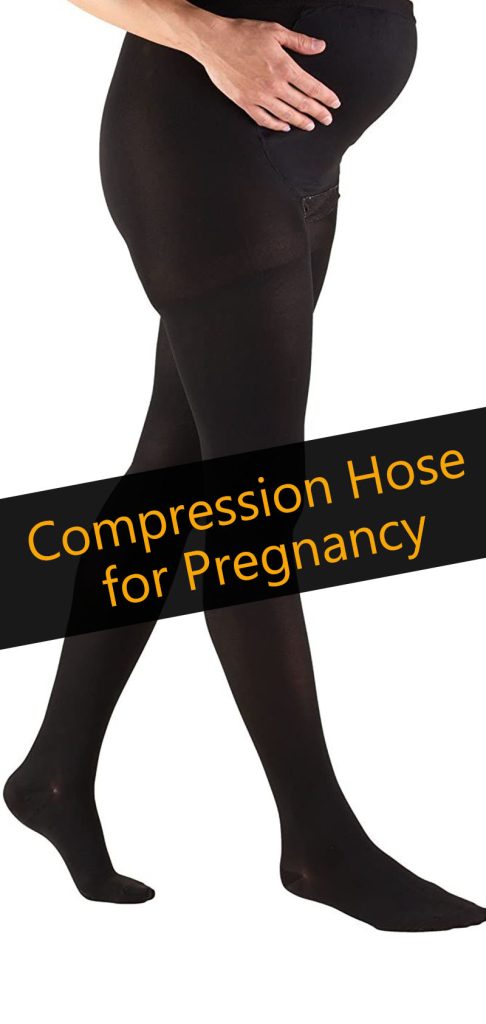
🤰 Full‑Leg Compression Tights
Offer comprehensive coverage and may include support for the abdominal area. These can be helpful later in pregnancy, but should be chosen carefully to avoid pressure on the belly.
🛒 Choosing the Right Compression Hose
To get the most benefit, keep these factors in mind:
✔ Proper Fit
Compression hose should fit snugly but not painfully tight. Too much pressure can restrict circulation instead of helping it.
✔ Material
Look for breathable fabrics like nylon, spandex, or cotton blends for comfort and temperature regulation.
✔ Compression Level
Start with 15–20 mmHg unless otherwise advised by a healthcare provider.
🩹 Wearing and Caring for Compression Hose
Here are some practical tips:
📅 When to Wear
Put compression hose on in the morning before swelling begins. Wear them during the day, especially if you’re on your feet or sitting for long periods.
🚫 Avoid Wearing to Bed
Most experts recommend taking them off at night, as lying down naturally reduces swelling and wearing them overnight may not be necessary.
💦 Care and Cleaning
Follow manufacturer instructions for washing and drying. Proper care helps maintain compression strength and breathability.
🩺 Safety and Precautions
While compression hose are generally safe, keep these guidelines in mind:
-
Consult Your Healthcare Provider: Especially if you have pre‑existing conditions, like circulatory disorders, diabetes, or hypertension.
-
Watch for Discomfort or Pain: If compression hose cause numbness, severe tightness, blistering, or color changes in your skin, stop using them and speak with a provider.
-
Skin Irritation: Some people may experience redness, itching, or irritation if the fit or material isn’t right.
If you notice unusual swelling in one leg only, intense pain, or significant skin changes, seek medical advice promptly, as these could be signs of a blood clot or other serious condition.
🤰 Compression Hose and Everyday Life
Compression hose can make daily activities more comfortable during pregnancy:
🏃♀️ For Active Days
If you’re on your feet all day, compression hose can help reduce fatigue and discomfort.
🛫 For Travel
Long flights or car rides can increase the risk of swelling and blood pooling — compression hose improve circulation in these situations.
🌞 For Hot Weather
Choose lightweight, breathable designs to avoid overheating while still benefiting from improved circulation.
Also read: Can Twins Cause a False Negative Pregnancy Test?
❓ Frequently Asked Questions (FAQ)
Are compression hose safe for all pregnant women?
Compression hose are safe for most expecting mothers, but it’s best to talk with your healthcare provider first, especially if you have medical conditions or concerns.
Can I wear compression hose if I’m not swollen yet?
Yes — some women choose to wear them preventatively if they expect swelling or are on their feet all day. Personal comfort and provider advice can guide this decision.
Can I sleep in my compression hose?
It’s generally advised to remove them at night, unless specifically instructed by a healthcare provider.
🧠 Final Thoughts
Compression hose for pregnancy are a simple yet effective way to reduce swelling, improve circulation, prevent varicose veins, and ease leg discomfort — especially during the second and third trimesters. By choosing the right compression level, ensuring proper fit, and following safety guidelines, many expectant mothers find real relief and greater comfort during their pregnancy journey.
Whether you’re exploring compression hose for the first time or want to optimize your comfort through long days and travel, understanding how they work and how to use them safely empowers you to make pregnancy a little easier on your legs and feet.